How to Plan Packaging Design for Product Launch Success

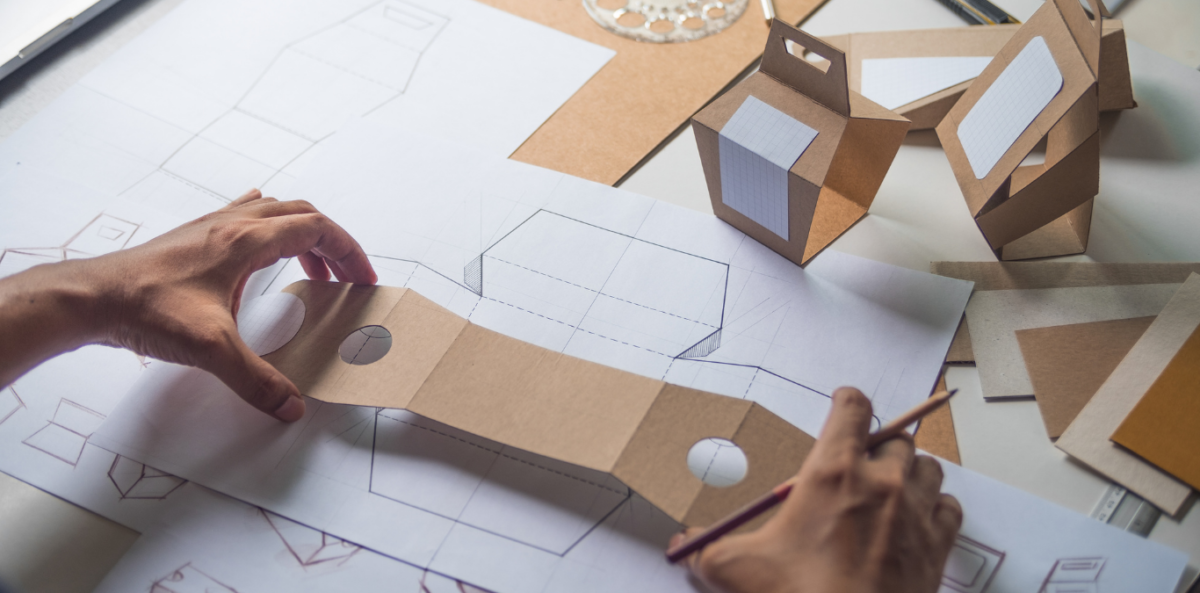
A successful product launch depends on more than the product itself. Packaging design for product launch plays an important role in protecting products, supporting your brand, and helping operations run efficiently from manufacturing through final delivery. When packaging is planned early in the development process, businesses can reduce delays, avoid unnecessary costs, and create a better experience for both retailers and customers.
Whether you’re introducing a new retail product or expanding an existing product line, taking a strategic approach to packaging design for product launch helps ensure everything is ready when launch day arrives.
Start With Your Product Requirements
Every packaging project should begin with a thorough understanding of the product. Dimensions, weight, shape, and fragility all influence the type of packaging that will provide the right level of protection. It’s also important to consider how the product will be shipped and where it will ultimately be sold.
For example, products destined for retail shelves may prioritize presentation and branding, while products shipped directly to consumers often require additional protection to withstand the shipping process. Designing packaging around both the product and its distribution method helps reduce damage while creating a more efficient solution.
Balance Branding With Functionality
Packaging is often a customer’s first impression of a new product, making visual appeal an important part of the design. At the same time, packaging also needs to function well throughout production, storage, and transportation. A successful packaging design for product launch finds the right balance between appearance and performance.
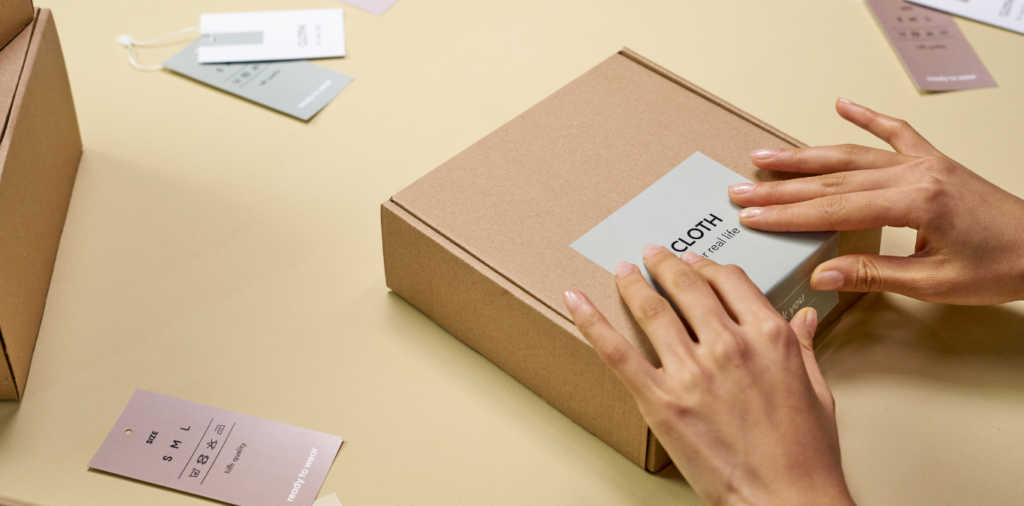
As you develop your packaging, consider:
- Product protection during shipping and handling
- Space for branding, instructions, and barcodes
- Ease of assembly and packing
- Storage and shipping efficiency
At Lenertz Industrial, we work with businesses to develop custom packaging, protective packaging, retail displays, and packaging solutions that support both operational needs and brand presentation.
Test Before Production
Before committing to a full production run, creating a sample or prototype is one of the most valuable steps in the packaging design for product launch process. Testing allows your team to evaluate how the product fits inside the package, whether protective materials perform as intended, and if any adjustments are needed before ordering larger quantities.
Prototype testing can also identify opportunities to improve efficiency on the packing line or reduce material usage without sacrificing product protection. Making these refinements early is often far more cost-effective than correcting issues after production has already begun.
Coordinate Production and Inventory
Packaging should be produced on a timeline that supports your product launch. Ordering too late can delay production, while ordering excessive quantities too early may create unnecessary storage costs.
When planning your schedule, think about current production volumes as well as future growth. Estimating reorder timelines and inventory needs helps maintain a steady supply of packaging materials without overstocking your warehouse. Working with an experienced supplier can also improve coordination between manufacturing schedules and your packaging design for product launch, helping ensure materials are available when they’re needed.
Prepare for Warehousing and Fulfillment
A well-planned packaging design for product launch extends beyond the package itself. Businesses should also consider how products will be stored, assembled, packed, and distributed after production is complete.
Planning ahead should include:
- Warehouse storage requirements
- Kitting or assembly services
- Inventory management
- Order fulfillment and distribution
In addition to custom packaging solutions, Lenertz Industrial provides contract packaging, kitting, assembly, warehousing, inventory management, and fulfillment services. Bringing these capabilities together through one partner can help simplify operations while supporting a smoother product launch.
Build a Strategy That Supports Long-Term Growth
Launching a product is only the beginning. As demand grows, your packaging needs may change with larger production runs, additional product variations, or expanded distribution channels. Building flexibility into your packaging design for product launch makes future growth easier while maintaining consistency across your brand.
By planning product requirements, testing prototypes, coordinating production, and preparing for fulfillment, businesses can create packaging that supports both an efficient launch and long-term success. With custom package expertise and integrated operational services, Lenertz Industrial helps businesses develop solutions that are ready to grow alongside their products.