
Stretch Wrap vs Shrink Wrap: Differences, Uses, and How to Choose

Stretch Wrap vs Shrink Wrap: Differences, Uses, and How to Choose
When choosing packaging materials, stretch wrap vs shrink wrap can seem like a minor distinction. Both are plastic films, but they work differently and serve different jobs. One stabilizes pallet loads during shipping, while the other creates a close-fitting covering around products. Understanding the difference helps businesses avoid wasted material, unnecessary equipment, and damaged shipments.
What Is Stretch Wrap?
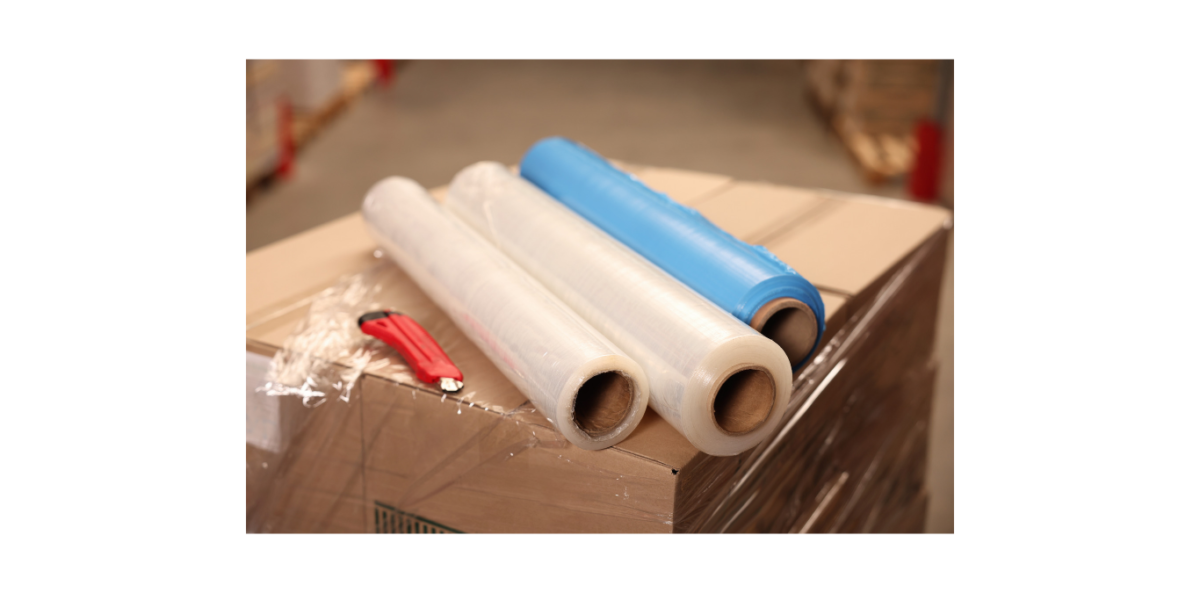
Stretch wrap is a flexible plastic film pulled tightly around cartons or other items, often stacked on a pallet. The film stretches during application and tries to return to its original shape. That tension helps hold the load together.
In comparison, stretch film needs no heat. Teams can apply it with handheld dispensers or pallet-wrapping machines. It is useful for keeping boxes from shifting during handling, storage, and transportation.
Still, its not just about applying film. Pallets need suitable tension, overlap, and a secure connection between the entire load and pallet.
What Is Shrink Wrap?
Workers place shrink wrap film around a product before they apply heat. A heat gun or shrink tunnel causes the film to contract, creating a snug fit.
The difference becomes clear with retail goods. Manufacturers use shrink film for individual products and multipacks that benefit from a tidy appearance. Certain applications also provide a tamper-evident covering.
When evaluating for sensitive merchandise, remember that shrink film requires temperature control. Excess heat can damage packaging or its contents, while too little may leave wrinkles.
Stretch Wrap vs Shrink Wrap: Key Differences
Although both materials protect and secure products, they have different applications. Understanding these differences can help businesses choose the right packaging solution.
Here are five important distinctions:
- How they work: Stretch wrap uses tension and cling to hold products together, while shrink wrap contracts around products when heat is applied.
- Typical applications: Workers use stretch wrap to stabilize palletized shipments. Manufacturers use shrink wrap for individual products, bundled items, and retail packaging.
- Equipment requirements: You can apply stretch wrap manually or with wrapping machines. Shrink wrap typically requires sealing equipment and a heat source.
- Appearance: Stretch wrap creates overlapping layers around a load, while shrink wrap provides a tighter, close-fitting finish.
- Primary consideration: Stretch wrap focuses on load containment and stability, while shrink wrap requires attention to heat compatibility and product presentation.
The main stretch wrap vs shrink wrap distinction is purpose. Heavy-duty shrink coverings also exist for large equipment and pallets, so these are common uses, not strict limits.
Which Packaging Material Should Your Business Use?
When comparing the two, think about what you are packaging. Consider how you will transport it. Also consider what equipment you have.
Different applications benefit from different materials:
- Palletized cartons: Stretch film helps reduce movement during handling and transportation.
- Retail multipacks: Shrink film can bundle products together while creating a neat, shelf-ready appearance.
- High-volume packaging: Consider labor, wrapping equipment, film consumption, and energy costs.
- Heat-sensitive products: Check whether the temperatures required for shrink wrapping are appropriate.
For pallet freight, FedEx’s pallet-packing guidance emphasizes tight wrapping and adequate containment force. Some loads also require banding or additional protection.
Another consideration is that businesses may benefit from using both. Workers might apply shrink-film packaging to products before they place them into cartons and secure them on a stretch-wrapped pallet.
Common Stretch Wrap vs Shrink Wrap Mistakes
Choosing packaging materials involves more than finding the lowest price. Several common mistakes can lead to wasted materials or damaged products.
- Using film as cushioning: Neither material replaces protective foam or inserts for fragile merchandise.
- Skipping packaging tests: Film type, product shape, and heat settings affect shrink-wrap results.
- Overwrapping pallets: Additional film cannot correct unstable stacking or poor load configuration.
- Ignoring operating costs: Equipment, labor, material consumption, and potential shipping damage all affect packaging expenses.
When making a decision, test materials with the products you actually ship. Make sure the packaging remains secure, looks appropriate, and works with your existing process.
Find the Right Packaging Supplies With Lenertz Industrial
At Lenertz Industrial Supply Co., we help businesses find packaging materials for shipping, storage, and product display needs. Our packing supplies include protective and shipping materials, while our custom retail packaging services support product presentation and branding.
When considering stretch wrap vs shrink wrap, it’s important to evaluate shipping volume, handling conditions, and equipment requirements. Our team can help you explore packaging options that fit your operation. Contact Lenertz Industrial to discuss your packaging needs and find the right supplies for your business.